

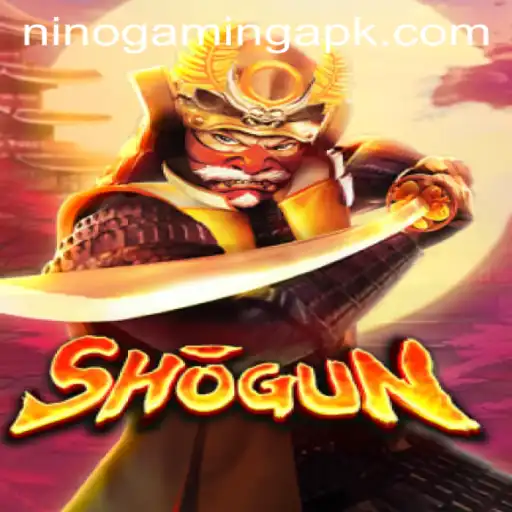
Explore the intricacies of the game Shogun and uncover the exciting realm of NinoGaming.
Exploring the Phenomenon of Shogun
In the vibrant world of board games, the title "Shogun" holds a special place, renowned for its strategic depth and immersive experience. Brought into the limelight by the popular gaming influencer known as NinoGaming, Shogun has captivated enthusiasts by combining strategy, historical themes, and engaging gameplay. This article delves into the intricacies of the game, offering insights into its rules and the strategic elements that have contributed to its widespread appeal among gaming communities.
The Introduction of Shogun to the Gaming World
The board game Shogun, inspired by the rich history of feudal Japan, reflects the complexities of being a feudal lord, or daimyo, vying for power during the tumultuous Sengoku period. Players are tasked with managing resources, building armies, and expanding territories, ultimately striving to become the most powerful shogun. The game's design is highly intricate, encouraging players to employ strategic planning and resource management to outmaneuver opponents.
NinoGaming, a name known throughout the online gaming community, has played a pivotal role in the resurgence of interest in Shogun. By streaming live gameplay, conducting interactive tutorials, and engaging with audiences worldwide, the influencer has enhanced the understanding and accessibility of the game, drawing in players of all skill levels.
Understanding the Rules of Shogun
The foundation of Shogun's appeal lies in its blend of simplicity and complexity. While the basic rules are easy to grasp, mastering the game requires strategic thinking and forethought. Here are some core aspects of Shogun:
Objective
The primary goal is to accumulate the most victory points by controlling territories, constructing buildings, and amassing resources by the end of the game. The player with the most victory points, indicating their dominance and strategic prowess, is declared the winner.
Setup
Each player assumes the role of a daimyo, beginning the game with a specific number of territories on the board, resources such as coins and rice, and a small army. The game board is a representation of Japan, divided into provinces that players compete to control.
Turn Structure
The game unfolds over two years, each consisting of four seasons: Spring, Summer, Autumn, and Winter. During Spring, Summer, and Autumn, players engage in various actions like collecting resources, fortifying defenses, and expanding territories. Winter is a season of reflection and scoring, where collected resources and held territories convert to victory points.
Each season is broken down into specific phases, guiding players through actions like resource management, troop deployment, and confrontation. Strategic use of these phases affects the overall progress and success in the game, as players decide the best time to attack, defend, or form alliances.
Combat System
Shogun features a unique combat resolution mechanism where players determine the outcome of battles through a combination of card management and troop deployment. The battle system requires players to judiciously allocate their resources to ensure victory, balancing aggression with caution.
The introduction of the Cube Tower, a standout feature of Shogun, adds unpredictability to battles. Players drop cubes representing their troops into this tower, which randomly ejects them after interacting with its complex interior structure. This setup leads to surprising outcomes in battles, requiring adaptability and calculated risks.
Current Events Influencing Shogun's Popularity
In recent months, the influence of gaming influencers like NinoGaming has sparked renewed interest in intricate board games like Shogun, amid a general rise in the popularity of tabletop games during global lockdowns. The immersive nature of Shogun, coupled with the interactive community-driven content shared by influencers, has revitalized social interactions, providing a medium for players to connect despite physical distance.
Additionally, the rise of digital platforms has facilitated easier access to Shogun. Virtual adaptations and online multiplayer options have made the game more accessible, allowing players to experience this elaborate board game digitally. The seamless blend of historical themes, strategic depth, and unpredictability continues to captivate audiences, positioning Shogun as a favorite in the growing board game revival.
Shogun has become much more than just a game; it represents the convergence of history, strategy, and community. As players delve into the complexities of becoming a shogun, each decision and strategy brings them closer to a piece of history, reenacted on the game board, brought vividly to life through both algorithm and chance. With it, Shogun and influencers like NinoGaming catalyze a renaissance in strategic gaming, tethered by the rich tapestry of the past and the enthusiastic engagement of the present.


0 Comments